
There’s something incredibly satisfying about a salad that’s not just fresh and colorful, but also packed with enough protein to keep you full and energized for hours. High-protein salads go beyond leafy greens — they bring bold flavors, hearty textures, and the nutritional backbone to support active lifestyles, post-workout recovery, or clean eating goals.
Whether you’re vegetarian, vegan, low-carb, or just looking for a more balanced meal, these energizing high-protein salads offer the perfect blend of fiber, healthy fats, and lean proteins. From grilled chicken and lentils to quinoa, tofu, or eggs — each combination fuels your body and pleases your palate.
Let’s dive into the best ingredients, combinations, and flavor tips to help you build delicious, protein-rich salads you’ll actually crave.
Ingredients Overview
High-protein salads rely on thoughtful ingredient combinations that maximize nutrition and satisfaction. Here’s what to consider when building yours:
Protein-Packed Bases
-
Grilled Chicken Breast: Lean, versatile, and a classic salad topper.
-
Hard-Boiled Eggs: Convenient and rich in healthy fats and protein.
-
Canned Tuna or Salmon: Great for no-cook meals; choose water-packed options.
-
Tofu or Tempeh: Excellent for plant-based diets — cube, marinate, and pan-fry or roast for flavor.
-
Chickpeas and Lentils: Full of fiber and plant protein, they hold up well in hearty salads.
-
Quinoa: A complete protein and gluten-free grain alternative — adds texture and volume.
-
Edamame: Soybeans are a protein powerhouse; great cold or warm.
Leafy Greens & Bases
-
Spinach: Mild flavor and high in iron.
-
Kale: Sturdy and nutrient-rich, perfect for marinated salads.
-
Arugula: Peppery bite that balances richer toppings.
-
Mixed Spring Greens: A blend of textures and colors for variety.
-
Shredded Cabbage or Romaine: Add crunch and volume.
Healthy Add-Ons
-
Avocado: Creamy texture and heart-healthy fats.
-
Nuts & Seeds: Almonds, walnuts, chia, or sunflower seeds offer crunch and extra protein.
-
Cheese: Feta, goat cheese, or shredded Parmesan enhance flavor while adding protein.
-
Roasted Veggies: Sweet potatoes, zucchini, and bell peppers provide depth and color.
-
Fresh Herbs: Cilantro, parsley, mint, or basil bring brightness.
Dressing Options
-
Greek Yogurt-Based Dressing: High in protein and creamy without excess fat.
-
Tahini Lemon Dressing: Creamy, plant-based, and rich in calcium and protein.
-
Olive Oil & Balsamic: A classic heart-healthy combo.
-
Avocado Lime Dressing: Creamy, zesty, and loaded with healthy fats.
Step-by-Step Instructions
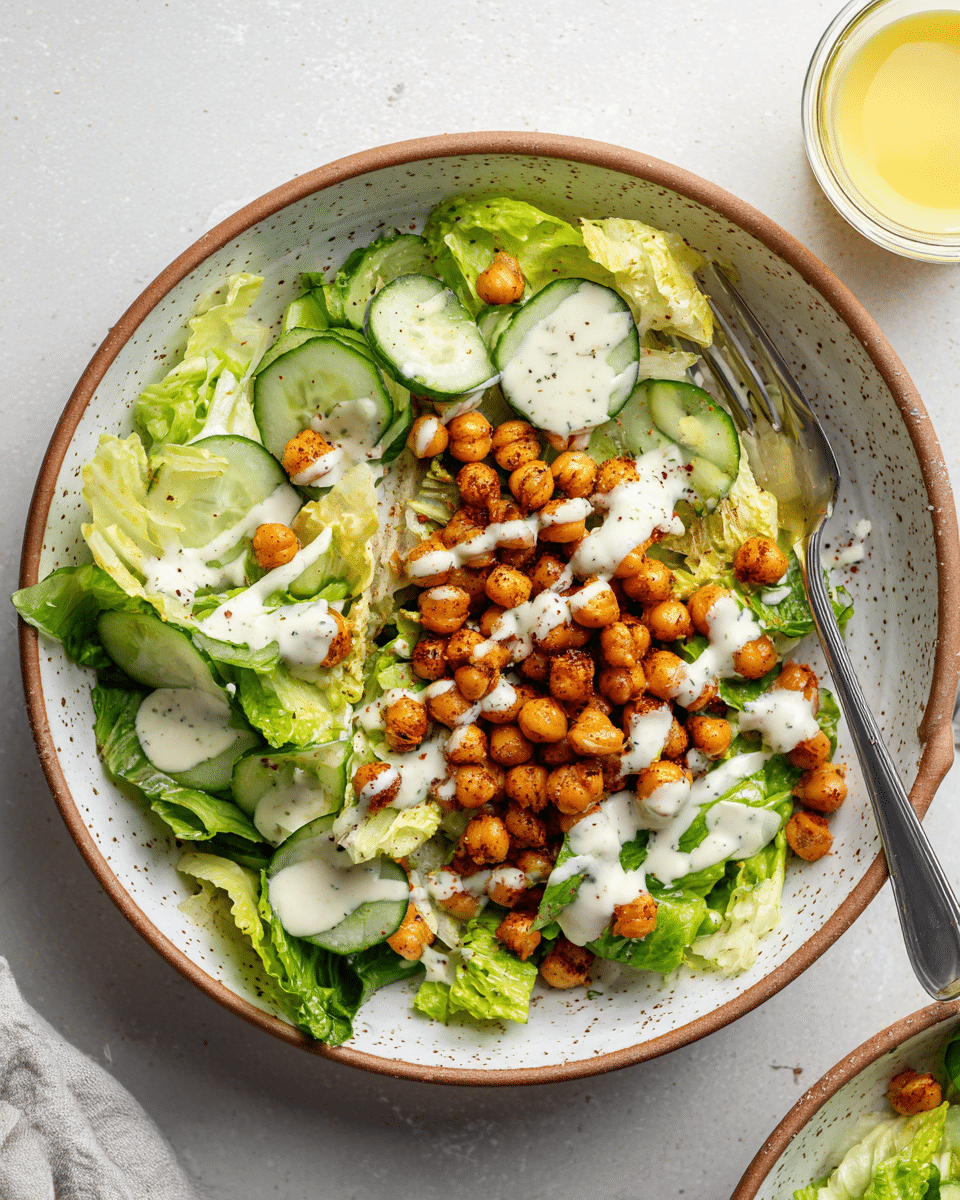
Let’s walk through how to assemble a well-balanced, energizing high-protein salad:
1. Start with a Solid Protein Source
Choose one or combine a few — for example:
-
4 oz grilled chicken (about 26g protein)
-
½ cup cooked lentils (9g protein)
-
1 boiled egg (6g protein)
-
½ cup edamame (9g protein)
Mixing plant and animal proteins can give better satiety and flavor balance.
2. Add a Generous Serving of Leafy Greens
Pack in 2–3 cups of greens. Massage kale if using it raw to reduce bitterness and improve texture.
3. Layer in Fiber and Healthy Carbs
Add roasted sweet potatoes, quinoa, or black beans to provide complex carbs and fiber.
4. Include a Healthy Fat
Top with ¼ avocado, 1 tbsp of nuts, or a drizzle of olive oil. These keep you satisfied longer and support nutrient absorption.
5. Pile on the Flavor
Add:
-
Roasted or raw vegetables for crunch and sweetness.
-
Fresh herbs for a burst of freshness.
-
A protein-rich dressing like tahini or yogurt-based ranch.
6. Dress and Toss
Dress lightly and toss just before serving to keep greens crisp. Store dressing separately if meal prepping.
Tips, Variations & Substitutions
-
Meal Prep Tip: Layer ingredients in jars — dressing on the bottom, hardy veggies next, greens on top. Shake when ready to eat.
-
Vegan Protein Swaps: Use tempeh, beans, quinoa, and nuts. Tahini or hummus-based dressings work well.
-
Low-Carb Option: Skip grains and use cauliflower rice or extra greens.
-
Spicy Kick: Add chili flakes, pickled jalapeños, or sriracha to the dressing.
-
Mediterranean Vibes: Use grilled chicken, cucumber, cherry tomatoes, kalamata olives, and tzatziki.
-
Asian-Inspired: Try tofu, edamame, shredded cabbage, carrots, and a sesame-ginger vinaigrette.
Suggested Protein Combos (Per Serving)
-
Grilled chicken + quinoa + chickpeas = ~45g protein
-
Tuna + eggs + kale + hemp seeds = ~40g protein
-
Tempeh + edamame + avocado + tahini = ~35g protein
Serving Ideas & Occasions
These high-protein salads are perfect for:
-
Work Lunches: Make-ahead, portable, and keep you full through the afternoon.
-
Post-Workout Meals: Balanced with protein and healthy carbs for recovery.
-
Weeknight Dinners: Light yet satisfying — no cooking needed if ingredients are prepped.
-
Spring & Summer Picnics: Serve chilled with iced tea or sparkling water.
-
Entertaining: Create a build-your-own salad bar with a variety of proteins and toppings.
They’re beautiful served in shallow bowls or layered in jars — colorful, fresh, and full of texture.
Nutritional & Health Notes
-
High Protein: Helps preserve muscle, supports metabolism, and promotes satiety.
-
Low Glycemic Options: Beans, greens, and healthy fats keep blood sugar stable.
-
Heart-Healthy Fats: From olive oil, nuts, seeds, and avocado.
-
Rich in Micronutrients: Leafy greens bring iron, calcium, and Vitamin K; colorful veggies add antioxidants.
-
Balanced Macronutrients: The right combination of protein, carbs, and fats keeps you energized and focused.
These salads support a variety of dietary goals — from muscle building to weight management and clean eating.
FAQs
Q1: What protein can I add to salad without cooking?
A1: Canned tuna or salmon, hard-boiled eggs, rotisserie chicken, cottage cheese, or pre-cooked lentils are all excellent no-cook options.
Q2: How much protein should a salad have to be considered “high protein”?
A2: Aim for at least 20–30 grams of protein per serving. You can mix multiple sources (e.g., grilled chicken + quinoa + seeds) to reach this target.
Q3: Are protein salads good for weight loss?
A3: Yes. High-protein salads support weight loss by increasing fullness, preserving lean muscle mass, and reducing the urge to snack.
Q4: Can I make protein salads ahead of time?
A4: Absolutely. Store dressing separately, use sturdy greens like kale or romaine, and avoid ingredients that get soggy (like cucumbers or tomatoes).
Q5: What’s the best dressing for a high-protein salad?
A5: Greek yogurt dressings, tahini-based sauces, or vinaigrettes with hemp seeds or nut butter offer creaminess with added protein.
Q6: Can I make a high-protein salad vegan?
A6: Yes — use tofu, tempeh, edamame, beans, quinoa, and nuts. Dressings made from tahini, cashews, or soy yogurt boost protein without animal products.
Q7: What grains work best in high-protein salads?
A7: Quinoa (8g per cup cooked), farro (6g), and barley (4g) are great for texture and plant protein. Use them as a base or mix-in.
Healthy Salad Lunch Ideas – Quick, Protein-Rich & Delicious
A customizable, protein-packed salad loaded with fresh veggies, whole grains, and energizing ingredients — perfect for clean eating and lasting fullness.
- Prep Time: 15 minutes
- Cook Time: 0 minutes (if prepped ingredients used)
- Total Time: 15 minutes
- Yield: 1 serving 1x
Ingredients
-
4 oz grilled chicken breast
-
2 cups baby spinach
-
½ cup cooked quinoa
-
¼ cup chickpeas (drained)
-
¼ avocado, sliced
-
¼ red bell pepper, diced
-
1 tbsp pumpkin seeds
-
2 tbsp Greek yogurt herb dressing
-
Salt & pepper to taste
Instructions
-
In a large bowl, place baby spinach as the base.
-
Layer on grilled chicken, quinoa, chickpeas, avocado, and bell pepper.
-
Sprinkle with pumpkin seeds.
-
Drizzle with dressing just before serving.
-
Toss gently and enjoy immediately, or store in airtight container.
Notes
-
Swap chicken for tofu or salmon.
-
Make it vegan with tahini dressing.
-
For meal prep, keep dressing separate until serving.