
Warm, delicate, and filled with savory flavor, gyoza soup (Japanese dumpling soup) is the kind of dish that soothes the soul while satisfying your craving for something cozy and nourishing. It’s a beautiful fusion of delicate dumplings, umami-rich broth, and crisp vegetables — perfect for chilly evenings, quick weeknight dinners, or anytime you want a comforting bowl of Japanese-inspired flavor.
This version of gyoza soup uses frozen or fresh gyoza simmered in a light dashi or chicken broth with garlic, ginger, soy sauce, and seasonal vegetables. It’s easy to customize — you can make it spicy, add noodles, or keep it light and clean. Best of all, it comes together in under 30 minutes.
Ingredients Overview
Each component in gyoza soup plays a key role in creating balance — from the aromatic broth to the juicy dumplings. Here’s a breakdown of the essential ingredients and substitutions.
Gyoza (Dumplings)
-
Fresh or Frozen Gyoza: Pork, chicken, shrimp, or vegetable gyoza all work beautifully. You can find them pre-made in the freezer section of most Asian or grocery stores.
-
Homemade Gyoza: If you prefer to make your own, use ground pork or chicken mixed with napa cabbage, green onion, garlic, ginger, and sesame oil.
Broth Base
-
Dashi or Chicken Broth: Dashi (a Japanese stock made from kombu and bonito flakes) offers a light, umami-packed base. Chicken broth is a great alternative for more richness.
-
Garlic and Ginger: Fresh ginger and garlic infuse the broth with warm, aromatic notes.
-
Soy Sauce: Adds saltiness and deep umami.
-
Sesame Oil: A small drizzle adds nuttiness and authentic flavor.
-
Mirin (Optional): A touch of sweetness balances the savory broth. Use sparingly or skip if you prefer sugar-free.
Vegetables
-
Napa Cabbage: Softens quickly and adds a mild sweetness.
-
Baby Bok Choy: Tender and light, it works beautifully in this soup.
-
Shiitake Mushrooms: Add a meaty texture and earthy flavor.
-
Scallions (Green Onions): Used for garnish and extra flavor.
-
Carrots, Snow Peas, or Bean Sprouts (Optional): Adds color, crunch, and variety.
Flavor Enhancers (Optional)
-
Chili Oil or Sriracha: For a spicy version.
-
White Pepper: Adds a subtle heat without overpowering the broth.
-
Rice Vinegar: A splash brightens the soup.
Step-by-Step Instructions
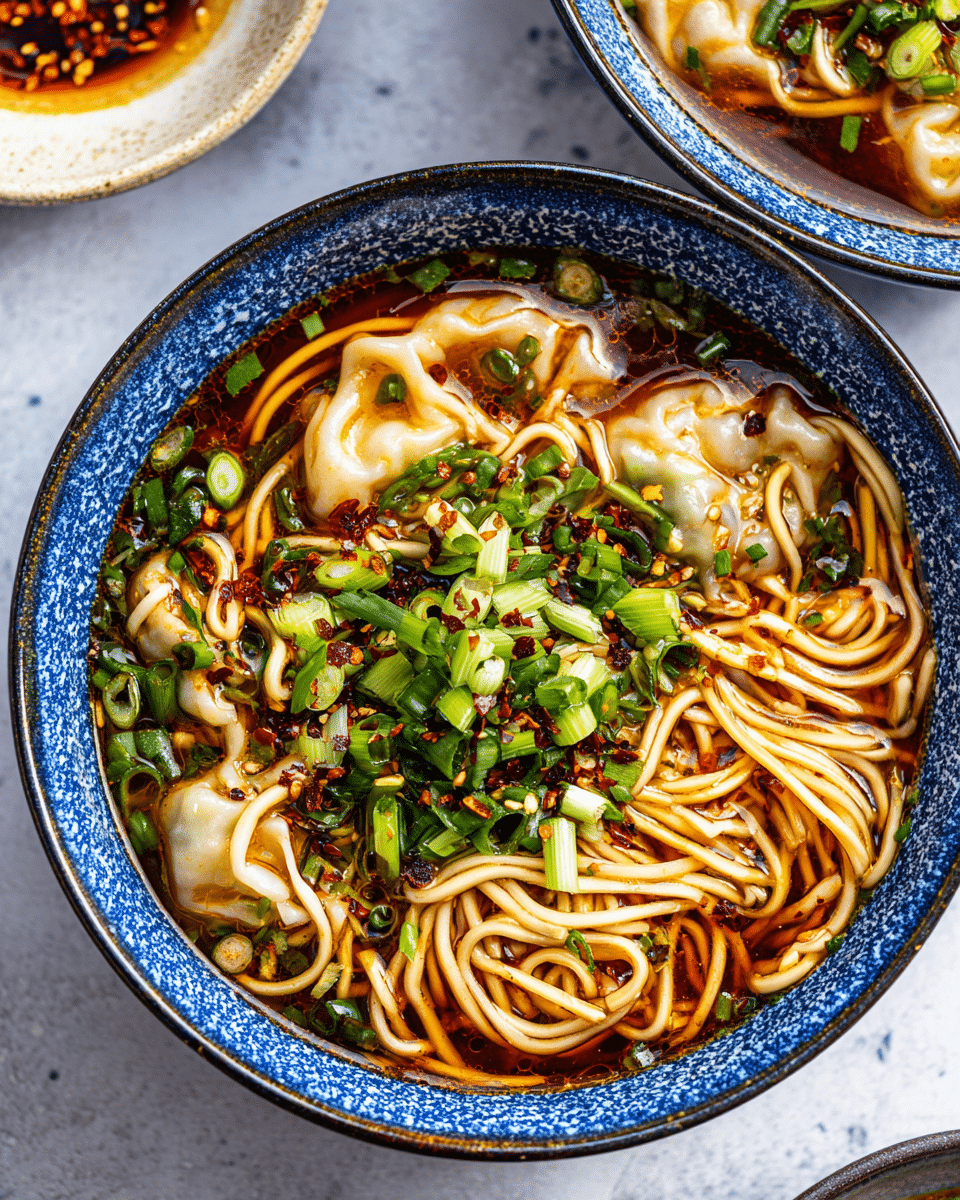
Making gyoza soup is incredibly straightforward — most of the work is simmering and layering flavors. Here’s how to make it:
1. Prepare the Broth
In a large saucepan or Dutch oven, heat a splash of neutral oil over medium heat. Add minced garlic and sliced ginger and sauté for 1–2 minutes until fragrant.
Pour in:
-
5 cups dashi or low-sodium chicken broth
-
1–2 tablespoons soy sauce
-
1 teaspoon sesame oil
-
(Optional) 1 teaspoon mirin or sugar
Bring to a gentle simmer and let the flavors meld for 5–10 minutes.
2. Add the Vegetables
Add sliced mushrooms, napa cabbage, and any other vegetables you’re using (carrots, bok choy, etc.). Simmer for 5–7 minutes until just tender.
3. Cook the Gyoza
-
Frozen Gyoza: Drop straight into the simmering broth. Cook uncovered for 6–8 minutes or until fully heated and the wrappers are tender.
-
Fresh Gyoza: Simmer for 4–5 minutes.
Do not overcook — they can fall apart or become mushy.
4. Taste and Adjust
Taste the broth and adjust seasoning with:
-
More soy sauce for saltiness
-
A pinch of white pepper or splash of rice vinegar for balance
5. Finish and Garnish
Ladle soup into bowls. Top with:
-
Sliced green onions
-
Chili oil (if desired)
-
A few drops of sesame oil or toasted sesame seeds for aroma
Serve hot and enjoy immediately.
Tips, Variations & Substitutions
Tips for Success
-
Don’t boil too hard: A gentle simmer keeps gyoza intact.
-
Use quality broth: Whether dashi or chicken, make sure the base has depth.
-
Add veggies strategically: Heartier ones like carrots go in earlier; delicate ones like bok choy go in last.
Substitutions
-
Vegetarian Version: Use kombu dashi or vegetable broth and vegetable gyoza.
-
Low-Carb Option: Skip the noodles or add spiralized zucchini.
-
Gluten-Free: Use gluten-free tamari instead of soy sauce and ensure the gyoza wrappers are gluten-free.
Flavor Variations
-
Spicy Gyoza Soup: Add chili oil, gochujang, or a pinch of red pepper flakes.
-
Miso Version: Stir in 1 tablespoon white miso paste before adding the vegetables.
-
Thai-Inspired: Add lemongrass, lime juice, and coconut milk for a Southeast Asian twist.
Serving Ideas & Occasions
Gyoza soup is versatile and elegant enough for any setting:
-
Quick Weeknight Dinner: Ready in under 30 minutes with frozen gyoza and pantry staples.
-
Light Lunch: Perfectly balanced without being heavy.
-
Starter for Japanese-Inspired Dinners: Pair with sushi rolls, seaweed salad, or edamame.
-
Meal Prep Friendly: Store the broth and gyoza separately to keep dumplings from getting soggy.
Serve with hot tea or a crisp Japanese lager for a full experience.
Nutritional & Health Notes
-
Light Yet Filling: Gyoza soup is hydrating, low in calories, and still satisfying thanks to the protein and fiber in dumplings and veggies.
-
Customizable Nutrition: Use chicken, shrimp, or veggie gyoza to match your diet.
-
Low-Fat Option: Skip sesame oil or use lean broth.
-
Great for Digestion: Ginger, garlic, and broth soothe the stomach and aid digestion.
A single serving typically provides 12–18g of protein depending on your gyoza and broth choices, making it a smart, balanced meal.
FAQs
Q1: Can I use potstickers instead of gyoza?
A1: Yes, potstickers and gyoza are very similar. Just be sure to check cooking times, as some potstickers are thicker and may need a few extra minutes.
Q2: Can I make gyoza soup vegetarian?
A2: Absolutely! Use vegetable broth or kombu dashi and choose vegetable gyoza. Add tofu or edamame for extra protein.
Q3: What’s the best way to store leftovers?
A3: Store the broth and vegetables separately from the gyoza. Reheat gently and add gyoza right before serving to prevent them from turning soggy.
Q4: Can I freeze gyoza soup?
A4: The broth and vegetables freeze well. Freeze dumplings separately (uncooked) and add them when reheating the soup.
Q5: How do I keep gyoza from falling apart in soup?
A5: Avoid overcooking and don’t stir too aggressively once dumplings are added. Simmer gently and use a ladle to handle them.
Q6: What can I serve with gyoza soup?
A6: Pair it with steamed rice, cucumber salad, or a soft-boiled egg for a more filling meal.
Q7: Can I add noodles to this soup?
A7: Yes! Ramen, soba, or rice noodles are great additions. Cook them separately and add to each bowl to keep them from soaking up too much broth.
Spicy Gyoza Soup – Easy Japanese Comfort Bowl
A light and savory Japanese-style soup made with gyoza dumplings, fresh vegetables, and an umami-rich broth — perfect for quick meals or cozy nights.
- Prep Time: 10 minutes
- Cook Time: 20 minutes
- Total Time: 30 minutes
- Yield: 2–3 servings 1x
Ingredients
-
6–8 frozen or fresh gyoza (pork, chicken, or vegetable)
-
5 cups dashi or chicken broth
-
2 tsp soy sauce
-
1 tsp sesame oil
-
1 tsp fresh grated ginger
-
2 garlic cloves, minced
-
1 cup napa cabbage, shredded
-
½ cup shiitake mushrooms, sliced
-
1 cup baby bok choy or spinach
-
2 green onions, sliced
-
Optional: chili oil, mirin, white pepper
Instructions
-
In a large pot, sauté garlic and ginger for 1–2 minutes.
-
Add broth, soy sauce, sesame oil, and mirin (if using). Bring to a simmer.
-
Add mushrooms and cabbage. Cook 5 minutes until tender.
-
Add gyoza and simmer 5–8 minutes until fully cooked.
-
Stir in bok choy and cook 1–2 minutes more.
-
Taste and adjust seasoning.
-
Serve hot, topped with green onions and chili oil.
Notes
-
Use vegetable broth and vegan gyoza for a plant-based version.
-
Add noodles for a heartier meal.
-
Store broth and gyoza separately for best texture.